

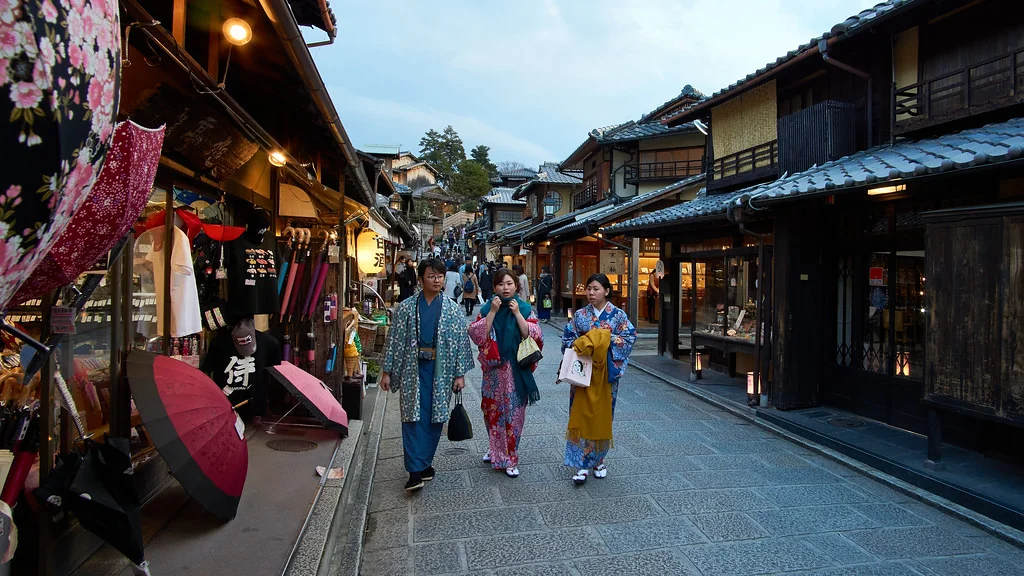
Sebarindo Hotel – At a Japanese hotel, foreign visitors are asked for their passport at check-in, and the front desk will usually copy it. Many cities also add an accommodation tax per person per night, which is often paid at the hotel.
This guide is for foreign tourists staying in hotels in Tokyo and Kyoto. Tax figures were checked on October 25, 2026 against city and metropolitan government sources.
Why Hotels Ask for Your Passport
Since April 1, 2005, foreign nationals checking in at hotels and inns in Japan have been asked to show their passport so the front desk can photocopy it, according to Japan’s Ministry of Health, Labour and Welfare.
The registration form also asks for your nationality and passport number, along with your name, address and occupation. The ministry says hotels must keep the photocopies, and it gives disease control and terrorism prevention as the reasons.
What this means for you: keep your passport in your day bag on arrival day, not in checked luggage you will open later.
Tokyo Accommodation Tax Now
Tokyo’s accommodation tax is a fixed amount per person per night, based on the room charge, according to the Tokyo Metropolitan Government’s Bureau of Taxation.
| Room charge per person per night | Tokyo tax per person per night |
|---|---|
| Under ¥10,000 | Not taxed |
| ¥10,000 to under ¥15,000 | ¥100 |
| ¥15,000 or more | ¥200 |
Note the words “per person.” A ¥30,000 room for two people works out to ¥15,000 each, so each guest pays ¥200 (our estimate).
Tokyo’s Planned Change in 2027
Tokyo plans to switch to a percentage. A November 2025 draft from the Bureau of Taxation proposed raising the tax-free threshold to ¥13,000 and moving to a 3% rate, with private rentals such as minpaku (home-share lodgings) added.
Royal Park Hotels tells guests the new system starts on April 1, 2027, at 3% of the room-only fee for stays of ¥13,000 or more per person. For stays before that date, the brackets in the table above still apply.
Kyoto’s Higher Rates From March 2026
Kyoto City raised its accommodation tax on March 1, 2026. The tax is charged per person per night, based on the room charge excluding meals and consumption tax.
| Room charge per person per night | Kyoto tax per person per night |
|---|---|
| Under ¥6,000 | ¥200 |
| ¥6,000 to under ¥20,000 | ¥400 |
| ¥20,000 to under ¥50,000 | ¥1,000 |
| ¥50,000 to under ¥100,000 | ¥4,000 |
| ¥100,000 or more | ¥10,000 |
Say two adults share a ¥60,000 room for three nights. That is ¥30,000 each per night, so the tax is ¥1,000 per person per night, or ¥6,000 in total (our estimate).
School trips and some childcare-facility outings are exempt, according to Kyoto City. Ordinary family holidays are not on that list.
Other Japanese Cities
Tokyo and Kyoto are not the only places with this tax. Hotel notices list similar charges in cities and prefectures such as Osaka, Fukuoka, Sapporo, Sendai and Hiroshima, each with its own brackets.
Check the official city or prefecture page for every stop on your route. A multi-city trip can mix fixed and percentage systems.
Check-In Rules to Know
Bring the passport you used to enter Japan, plus your booking confirmation. The hotel will ask you to fill in a registration card with your passport details.
Expect the accommodation tax to appear as its own line. Some hotels include it in a prepaid rate, while others collect it at the property, so read your booking terms for “accommodation tax” or “excluding local taxes.”
If the amount on your bill looks wrong, ask the front desk which room charge they used per person. The bracket depends on the per-person charge, not the total room price.
Before you book in Japan, divide the room price by the number of guests and find your bracket in the city’s official table.
Room rates, taxes, check-in times and hotel policies change often. Confirm the details on the hotel’s official website or in your booking confirmation before you pay.

Komentar Ditutup! Anda tidak dapat mengirimkan komentar pada artikel ini.